Reconsidering State Responsibility, Economic Sovereignty, and the National Interest in Managing Strategic Resources
The debate surrounding Indonesia’s decision to revoke a major forestry concession in Riau and transfer its management to a state-controlled entity deserves a broader perspective. At first glance, the development may appear to signal an expansion of state economic power, particularly given the involvement of Danantara, Indonesia’s strategic investment management institution. Yet reducing the entire episode to a question of state expansion risks overlooking the circumstances that led to the government’s intervention in the first place.
The more fundamental question is not simply who now controls the land, but why the government decided to intervene, what national interests it seeks to protect, and whether the new management arrangement can deliver better outcomes for Indonesia.
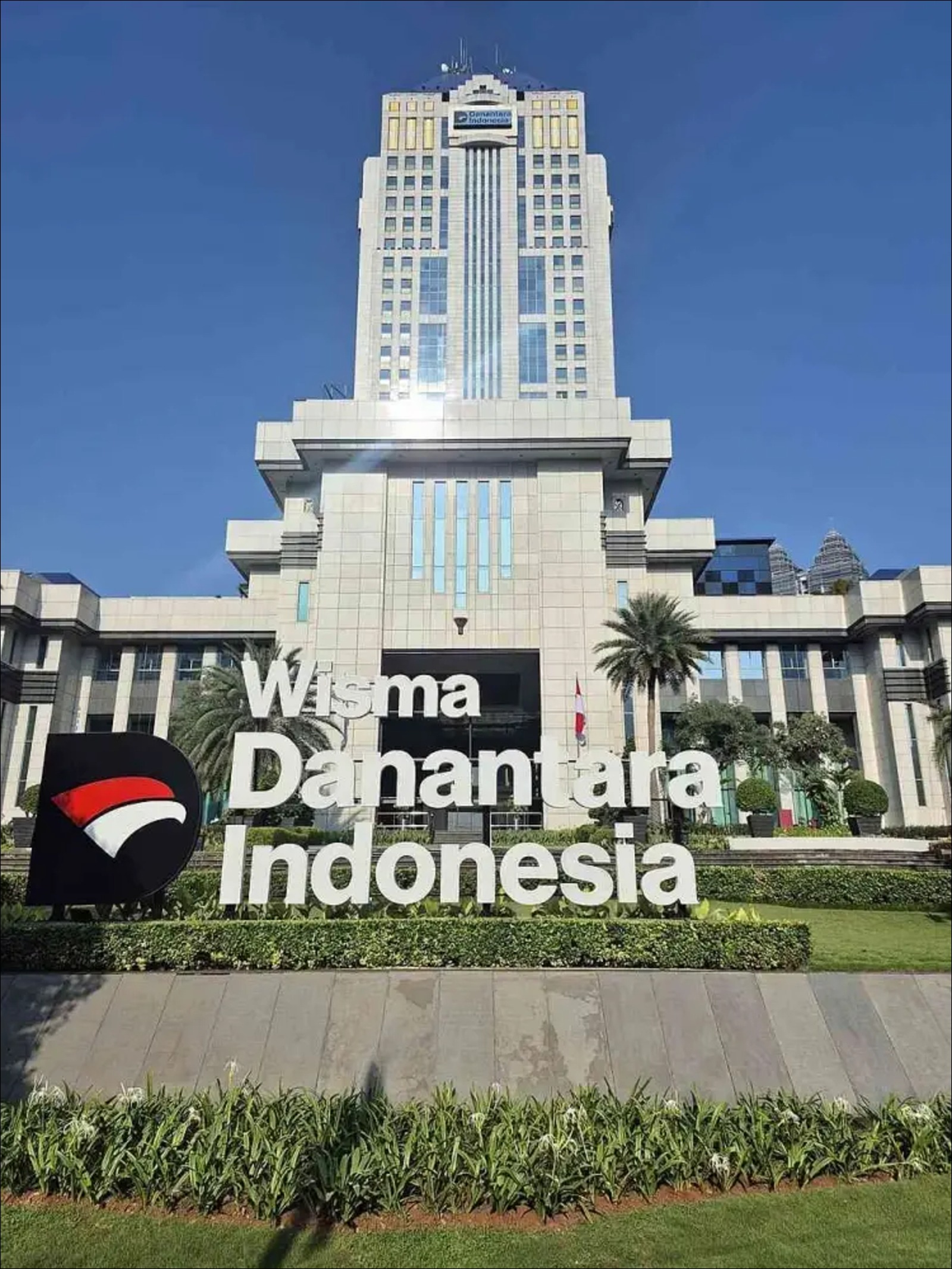
Danantara should be understood in this context: an institution established by Indonesia, operating under Indonesian law, and mandated to manage national assets and investments in support of Indonesia’s long-term economic interests. Its role should therefore be assessed not merely through the lens of how international investors perceive the expansion of state influence, but also through its contribution to national development, economic resilience, and public welfare.
Beyond the Question of State Expansion
The Indonesian government revoked the forestry utilization permits held by PT Riau Andalan Pulp and Paper (RAPP), covering approximately 338,536 hectares in Riau. The government cited several alleged violations, including recurring peatland fires, illegal oil palm plantations, illegal mining activities, and damage to protected areas. The authorities stated that the revocation constituted an administrative sanction and that the affected land would return to state control. The company, which belongs to the Royal Golden Eagle group, maintained that it had complied with applicable regulations and denied responsibility for the fires (The Jakarta Post, 2026).
These circumstances matter. A government decision to revoke a concession should not automatically be interpreted as an arbitrary intervention against private enterprise. States have the legal authority and responsibility to regulate natural resource exploitation, enforce environmental obligations, and impose sanctions when concession holders fail to comply with applicable laws.
A concession is not an unconditional transfer of national resources into permanent private control. It is a legal authorization granted within a regulatory framework, subject to obligations and public-interest considerations. The economic significance of an investment does not exempt its operator from environmental responsibilities.
This principle is particularly important in a country such as Indonesia, where forest resources are closely connected to ecological stability, biodiversity, public health, livelihoods, and national economic interests. Recurring forest and peatland fires are not simply operational or reputational concerns for companies. They can impose substantial costs on communities, public institutions, neighboring economies, and future generations.
Consequently, when the state intervenes against a concession holder over alleged environmental violations, the action should also be examined as an exercise of regulatory responsibility and environmental governance.
Environmental Accountability Cannot Be Separated from National Security
Indonesia’s forest and land fires require more serious consideration than a conventional debate about investment confidence. Their consequences extend beyond the boundaries of individual concessions.
In November 2026, Indonesia’s Ministry of Environment and Environmental Control Agency announced investigations into fires across concessions belonging to 335 companies. The ministry also disclosed that intelligence information was being examined concerning allegations that certain parties had deliberately started fires to damage the government’s public image. Importantly, the ministry emphasized that these allegations required further verification and that legal responsibility would be established through evidence (Ministry of Environment and Environmental Control Agency, 2026).
This information introduces an additional dimension to the debate. If deliberate burning is established, the issue would extend beyond ordinary environmental non-compliance. It could involve organized criminal conduct, deliberate destruction of national resources, and threats to environmental security.
Nevertheless, allegations must remain distinct from established legal findings. No company or individual should be declared responsible for deliberate sabotage without sufficient evidence. The appropriate response is a thorough investigation, followed by legal accountability for every party proven to be involved. https://widget.kompas.com/survey/376?separator=survey__separator